Share
15 July 2025
How to Grout and Seal Porcelain Tiles
Porcelain paving has become incredibly popular for its sleek, modern look and durability. At Westminster Stone, we often hear questions from both prospective and existing customers about the best practices for grouting and sealing these beautiful tiles. While porcelain is renowned for being low maintenance, understanding these crucial steps will ensure your patio paving and floor tiles look their best for years to come.
How to Grout Porcelain Tiles
Grouting is a vital step in any garden paving project, providing stability, preventing weed growth, and completing the aesthetic of your outdoor space. When it comes to outdoor porcelain tiles, the process requires attention to detail due to their very low porosity and smooth tile surface.
What is the best grout for porcelain tiles?
The key to successful porcelain grouting lies in choosing the right product. Traditional sand and cement grouts can be difficult to work with on porcelain tiles and may leave a grout residue. We highly recommend using a specialised outdoor porcelain grout or a resin-based jointing compound.
Resin-based jointing compounds (often referred to as 'brush-in' grouts) are an excellent choice for outdoor porcelain. They are permeable, allowing water to drain through, and are generally very easy to apply. They come pre-mixed and can often be simply brushed into the grout lines and then compacted. This type of grout is particularly forgiving for DIYers.
High-performance cementitious grouts specifically formulated for external porcelain are also available. These will be clearly marked for use with porcelain and will have properties such as low water absorption and water resistance, as well as increased flexibility to accommodate any movement. Always follow the manufacturer's instructions precisely, as these may require more careful mixing with clean water and application using a damp sponge.
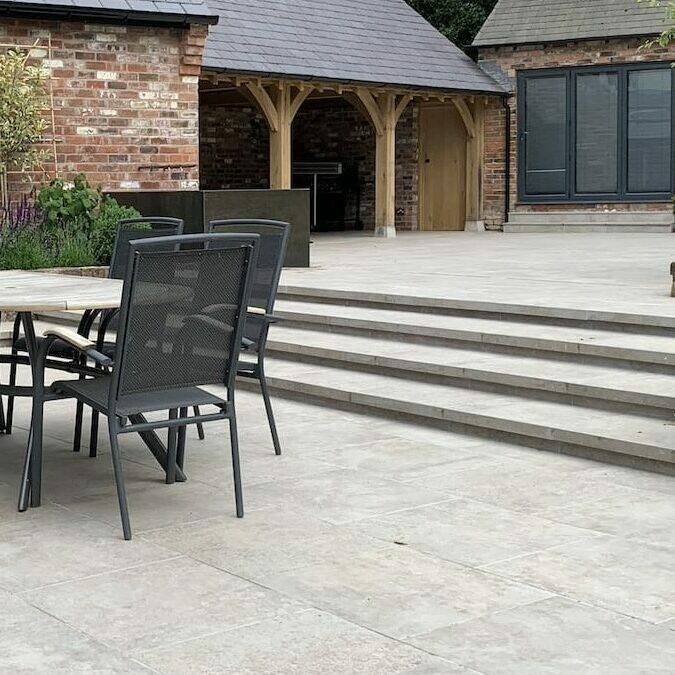
In high-traffic areas, some installers prefer epoxy grout for maximum strength and chemical resistance. While trickier to apply, it offers outstanding durability and stain protection.
Top Tips for Grouting Porcelain:
- Work in small sections: This helps prevent the grout from drying too quickly on the porcelain tile surface, especially with cement-based options.
- Keep tools and surfaces clean: Regularly wipe away excess grout with a damp sponge to minimise grout residue.
- Use appropriate tools: A rubber float is ideal for pushing grout into the joints.
- Don't grout in extreme temperatures: Avoid very hot or very cold conditions, which can affect the curing process.
- Allow proper curing: Give at least 24 hours before exposing grout to heavy foot traffic.
Buy Porcelain Tile Grout
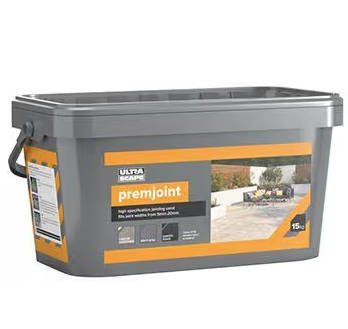
UltraScape Premjoint
Premjoint brush in jointing compound available in 2 grades fine and coarse and in 3 colours. A perfect seamless jointing option for your indoor floor tiles or outdoor porcelain tiles.
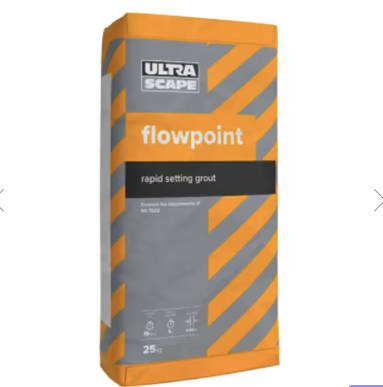
UltraScape Flowpoint Rapid Set
UltraScape Flowable grout is easy to use, stops weed growth and can be used in the rain. Available in Charcoal and Natural Grey. Perfect to be used with all types of natural stone paving.
Do Porcelain Tiles need sealing?
This is one of the most frequently asked questions we receive at Westminster Stone: Do porcelain tiles need sealing? The simple answer is no, porcelain tiles do not typically require sealing.
Porcelain patio tiles are manufactured at extremely high temperatures, resulting in a dense, vitrified material with extremely low porosity. This makes them highly resistant to staining, fading, and wear and tear. Unlike natural stones, which benefit from sealing to protect against spills and weathering, porcelain’s non-porous nature means a tile sealer or porcelain tile protector cannot penetrate the surface.
That said, some customers choose to apply a sealer in high-traffic areas for extra reassurance. While porcelain tiles need not be sealed, it remains a personal preference depending on use.
What happens if you don't seal porcelain tiles?
Porcelain tiles do not need to be sealed as their inherent properties generally provide robust performance.
Low Maintenance
Cleaning is straightforward - usually just a rinse with clean water and a brush, or a pressure washer for deeper cleaning.
Stain Resistance
Unsealed porcelain tiles are highly resistant to common outdoor stains such as dirt, moss, algae, and even oil. Due to their low porosity, spills tend to bead on the surface rather than soaking in, which makes them easy to wipe away.
Durability
Porcelain is designed to withstand harsh weather, UV rays, and heavy foot traffic without needing additional protection.
Ready to transform your garden with porcelain paving?
In conclusion, grouting is an essential step for porcelain patios, giving your paving long-term stability and a neat finish. But when it comes to the question “do porcelain tiles need sealing?”, the answer is that it’s usually unnecessary, but it can be chosen for peace of mind.
Porcelain’s dense, vitrified surface is naturally stain resistant, highly durable, and offers excellent water resistance, so a tile sealer isn’t required for performance. However, some homeowners like the added reassurance of a porcelain tile protector, particularly in high-traffic areas or where extra protection from wear and tear is desired.
Ultimately, sealing is not essential but remains a personal choice. With the right grout in place, your outdoor porcelain tiles will deliver strength, style, and low-maintenance performance for years to come.
If you’d like expert advice on how to grout porcelain slabs, what is the best grout for outdoor porcelain tile, or whether porcelain tiles need to be sealed, our team at Westminster Stone is always happy to help. Explore our full range of floor tiles, stain-resistant outdoor porcelain paving, and natural stones to create your perfect garden oasis.